
Frozen shoulder, also known as adhesive capsulitis, is a painful and debilitating condition that affects approximately 2-5% of the population. Characterised by an inflammation syndrom, stiffness and restricted range of motion in the shoulder joint, frozen shoulder can significantly impact daily activities and quality of life. It happens sometimes a few weeks after surgery or any kind of trauma (fall, accident…). While the exact cause of frozen shoulder remains unknown, it is often associated with underlying medical conditions like diabetes or thyroid disorders.
Traditionally, frozen shoulder is managed with conservative treatment options, including medication and physical therapy. Sometimes, it can be useful to get an injection inside the joint to reduce the inflammation. Among these, physiotherapy plays a crucial role in restoring shoulder function and improving quality of life.

The Benefits of Physiotherapy for Frozen Shoulder
Physiotherapy for frozen shoulder focuses on addressing the key symptoms of pain, stiffness, and restricted movement. Through a combination of specialized techniques, physiotherapy aims to:
Reduce Pain: Physiotherapists employ various methods to alleviate pain, including gentle stretching, therapeutic massage, and trigger point release techniques. These interventions help relax tight muscles and reduce inflammation, leading to improved comfort and mobility.
Improve Range of Motion: A significant component of physiotherapy is focused on increasing shoulder range of motion. Physiotherapists design a personalized exercise program tailored to each patient’s condition, gradually stretching and strengthening the shoulder muscles to regain lost movement.
Strengthen Muscles: As range of motion improves, physiotherapy emphasizes strengthening the muscles surrounding the shoulder joint. This helps maintain stability and prevent future episodes of frozen shoulder.

Specific Physiotherapy Techniques for Frozen Shoulder
Physiotherapists employ a variety of techniques to address the specific needs of frozen shoulder patients. These may include:
Active and Passive Exercises: Active exercises involve the patient actively moving the shoulder joint, while passive exercises involve the therapist moving the joint for the patient. Both types of exercises are crucial for improving range of motion and muscle strength.
Manual Therapy: Physiotherapists use their hands to manipulate the shoulder joint and surrounding tissues to break up scar tissue and adhesions, reducing stiffness and improving movement.
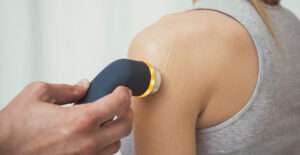
Electrotherapy / Ultrasound: Techniques like ultrasound and electrical stimulation can help reduce pain, relax muscles, and promote healing.
- Home Exercise Program: Physiotherapists provide patients with a personalized home exercise program to maintain progress and continue working on range of motion and strength after therapy sessions conclude.
Therapeutic Modalities
In addition to specialized techniques, physiotherapists may also incorporate therapeutic modalities to enhance the treatment process. These modalities include:
Heat and Cold Therapy: Heat applications can help relax muscles and reduce pain, while cold therapy can reduce inflammation and provide pain relief.
Ultrasound: Ultrasound waves penetrate deep into tissues, promoting healing and reducing pain.
Transcutaneous Electrical Nerve Stimulation (TENS): TENS delivers low-level electrical impulses to nerves, blocking pain signals and providing pain relief.
Empowering Yourself with Physiotherapy
Physiotherapy is a powerful tool in the fight against frozen shoulder, offering a non-invasive and effective approach to restoring shoulder function and improving quality of life. By incorporating physiotherapy into your treatment plan, you can take control of your condition and work towards regaining your full range of motion and pain-free movement.