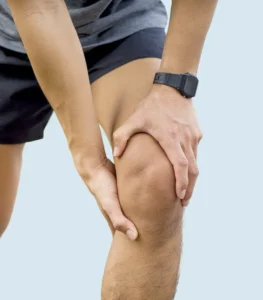
Shock waves are high-intensity sound waves, generated by a device called a shock wave generator. They are used in medicine to treat a variety of conditions, such as tendinitis, calcifications, chronic pain, and muscle injuries.

Effects of shock waves :
Shock waves have several beneficial effects, including :
- An analgesic effect: shock waves cause the release of endorphins, natural substances that have an analgesic effect. They can therefore relieve pain significantly, including chronic pain.
- An anti-inflammatory effect: shock waves reduce inflammation and pain. They can therefore be used to treat chronic inflammation, such as joint inflammation.
- A cellular stimulation effect: shock waves promote tissue regeneration. They can therefore be used to accelerate the healing of muscle and tendon injuries.
Applications of shock waves :
Shock waves are an effective technique for treating a variety of conditions. They can be used in addition to rehabilitation or as an alternative to surgery.
- Tendinitis
Shock waves are effective for treating tendinitis, including Achilles tendonitis, elbow tendinitis, and shoulder tendinitis. They can relieve pain, reduce inflammation, and improve joint function.
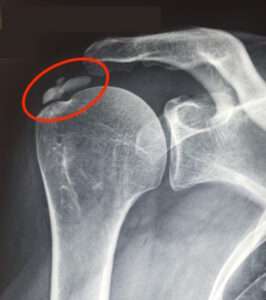
- Calcification
Shock waves can be used to dissolve calcium deposits that form in tendons, including the tendons of the rotator cuff of the shoulder. They can be effective in reducing the size of calcium deposits and improving joint function.
- Chronic pain
Shock waves can be used to relieve chronic pain, including low back pain, joint pain, and muscle pain. They can be effective in reducing pain and improving physical function.
- Muscle injury
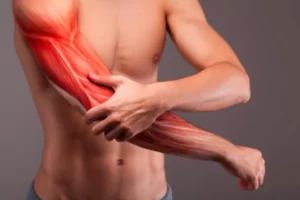
Shock waves can be used to accelerate the healing of muscle injuries, including muscle tears.
They can reduce recovery time and improve muscle function.
Examples
Here are some specific examples of the use of shock waves:
- A person with Achilles tendonitis can receive shock waves to relieve pain, reduce inflammation, and improve ankle mobility.
- A person with rotator cuff calcification can receive shock waves to dissolve calcium deposits and improve shoulder function.
- A person with chronic low back pain can receive shock waves to relieve pain and improve spinal function.
- A person with a muscle tear can receive shock waves to accelerate healing and improve muscle function.

Recommendations
Shock waves are generally well-tolerated, but they can cause mild side effects, such as increased pain, redness, or swelling of the treated area for a few hours. It is important to follow the recommendations of the doctor or physical therapist.
Conclusion
Shock waves are an effective technique for treating a variety of conditions. They can be used in addition to rehabilitation or as an alternative to surgery.